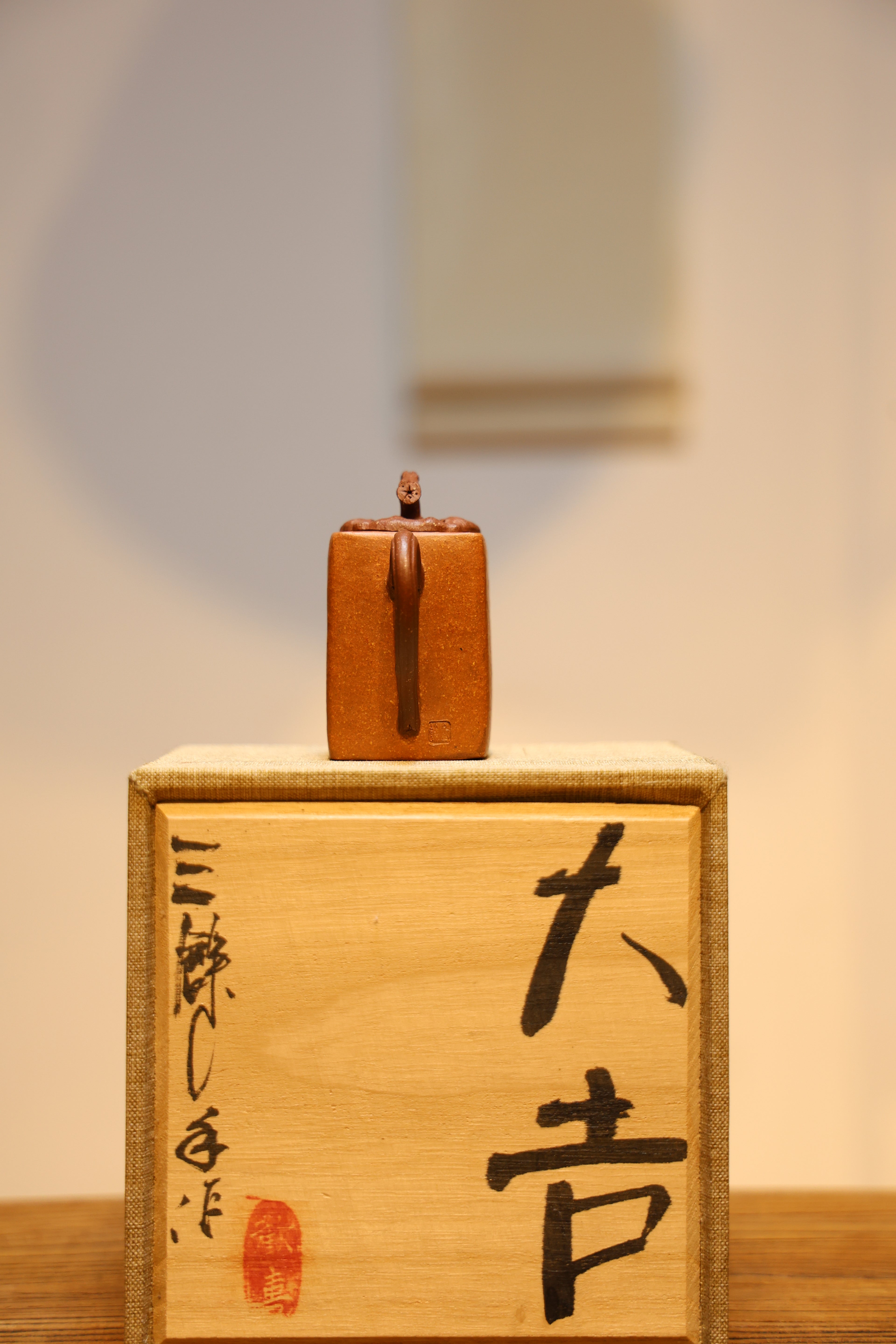
Why is handle comfort so important for daily use of a Purple Clay Teapot?
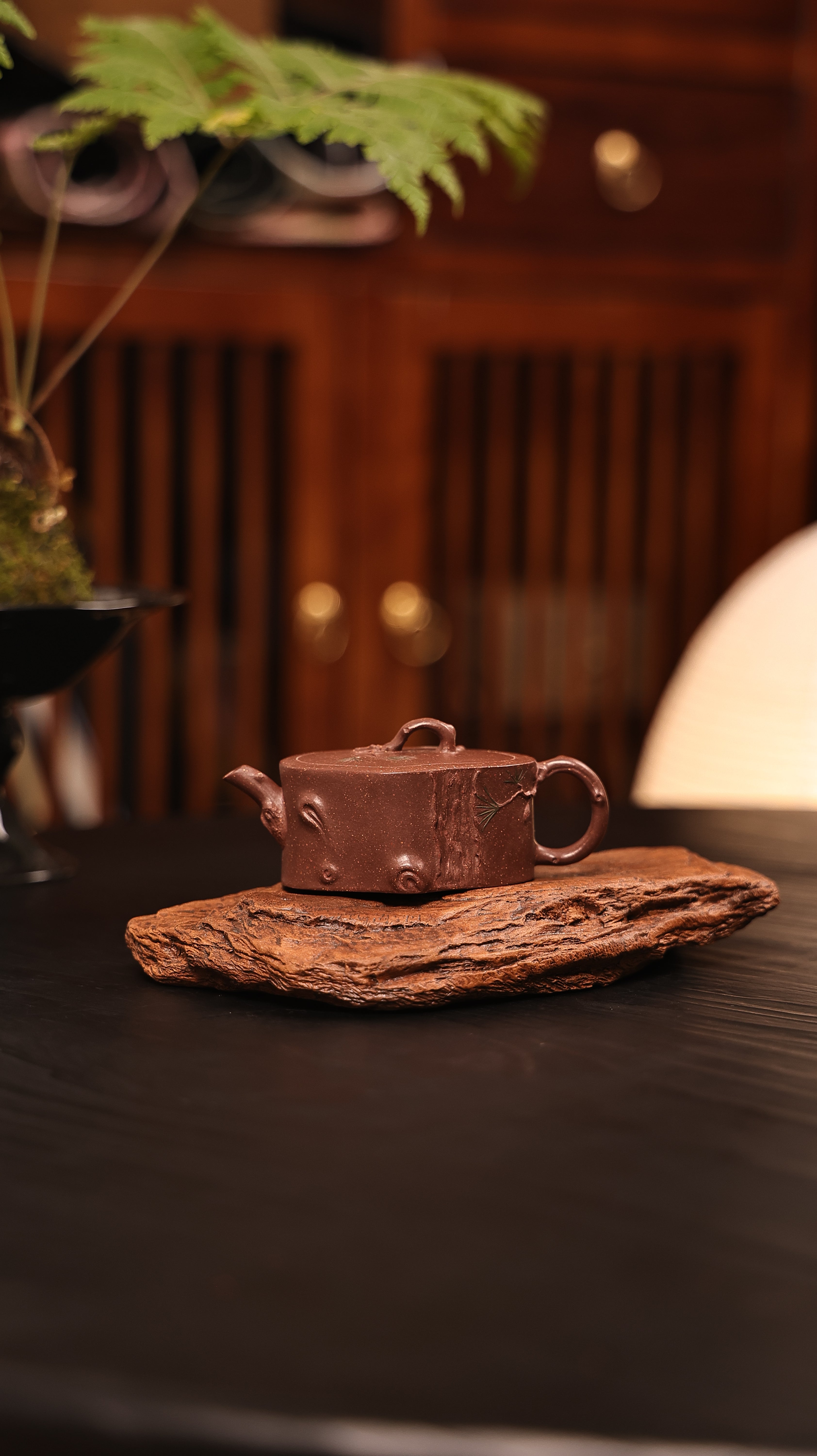
Throughout enduring chronicles,
During decades, collectors have been ensnared by the extraordinary charm of Yixing Zisha pitchers. Originating from the realm of Yixing in the Chinese province, these objects are renowned for their distinguished beauty, exclusive clay, and built-in ability to elevate the note of the steeping. The clay's distinctive purple-red hue, combined with the skillful workmanship of Yixing's artisans, creates objects that are both functional art and valuable investments. Acquiring a Zisha teapot is more than just a purchase; it's inviting a rich civilizational heritage.
Examining Yixing Teapots: Ancestry, Styles, and Price
Celebrated Yixing teapots serve as a deep past deeply intertwined with Chinese culture. Stemming in the Yixing region of Jiangsu province, these clay vessels possess a heritage stretching back to the Ming Dynasty. Early examples were functional, but through centuries, Yixing teapot creation evolved into an esteemed art form. The clay itself, known for its unique structure and ability to influence the flavor of the tea, persists a defining factor. Yixing teapots exist in various versions, broadly categorized by shape: Typical such as Zhuni (purple clay) and Bisheng, as well Yixing Teapot as distinct designs. The price of a Yixing teapot is on several factors, including the potter’s distinction, the age of the piece, the rarity of the clay, and its aesthetic charm.- Origins: Ming Dynasty
- Composition: Diverse kinds
- Pricing Criteria: Rarity
Art of Zisha Pottery: Technique and Individuals
Unique crafting of a genuine Zisha teapot is a complicated process, requiring generations of mastery. Expert artisans meticulously choose the premier Zisha clay, a rare earth found only in specific regions of China. Classic techniques, often handed down through families, involve precise shaping, gentle carving, and slow firing in ancient stoves. The finished teapot isn't merely a jar; it's a testament to creative vision and the weighty connection between the craftsman and their background. Each teapot showcases the specific touch of the artisan, resulting in a truly incomparable work of craft.
Ancient Pottery: Investigating the Abundant Heritage of the Yixing Territory
Renowned Yixing, established in Jiangsu the region, is extensively renowned for its exceptional teapots – a tangible representation of centuries of Chinese tradition. These aren't merely vessels for processing tea; they are intricate works of craftsmanship, often reflecting ideological ideals. A unique purple clay, known as Zisha, possesses distinctive qualities: the clay dense, porous, and imparts a subtle character to the tea.
- Diverse tribes have honed the techniques of Yixing ceramic making, passing down hereditary methods through times.
- Enthusiasts prize these pieces for their appearance and oddity.
- Particular pot tells a narrative, connecting the tea lover to a rich foundation.
Acquiring Yixing Zisha: Guiding Points
Upon studying investing in Yixing Zisha clayware, countless criteria command careful assessment. Firstly, the earth's tone is vital; authentic Zisha ordinarily exhibits a identifiable auburn gradient. As well, examine the craftsmanship; well-defined features and a refined finish suggest experienced creation. Ultimately, determine the creator’s record; noted names garner elevated costs and often guarantee a stable return.
How to Brew Premium Tea with Zisha Clay
Creating sumptuous tea with a Zisha jar is more beyond a simple procedure; it's an discipline. Zisha clay, celebrated for its unique mineral composition, imparts a elegant character to the crafted tea that’s often unavailable with other wares. The optimal water heat is vital; typically, subdued than what's used for black tea, to conserve the tea's bouquet and palate. Consider carefully the tea form; delicate green teas or aged pu-erhs prosper from the Zisha’s ability to tone down their intrinsic edge. It’s important to condition the teapot stringent to brewing, and to stop over-steeping. Mastering this technique leads to a rightfully exceptional tea event.
- Grasping Zisha Clay
- Water Temperature & Type of Brew
- Necessity of Preheating
Protecting Your The Kettle
To ensure prolong the life of your cherished Yixing clay pot, systematic preservation is absolutely mandatory. Refrain from using synthetic products; instead, carefully wash it with mildly heated fluid. Ward off rapid temperature; please don't place the container directly onto a heated foundation. Periodically, condition the jar by steeping it with superior black concoction, as this assists to amplify its patina and maintains the unique features of the clay.
About Element to Container: The Transition of a Yixing Utensil
A creation of a Zisha teapot is a exceptional approach, a demonstration to both the planet's bounty and the skill of the craftsman. It opens with the selective extraction of the exclusive clay from the crimson Zisha mines close to Yixing. This virgin material, known for its exceptional properties, is then methodically cleaned and prepared for the primary forming. The jug's silhouette is carefully developed using a aggregation of traditional shaping procedures, often incorporating decorative designs. Following settling, the container undergoes a fundamental first firing, subsequent by a glazing stage, which might involve various layers of earthy Zisha overlays. Finally, a second, and sometimes third, firing at powerful temperatures realizes the piece, revealing its ultimate beauty and remarkable characteristics - a legitimate masterpiece, poised to embellish a tea session.
{Yixing Teapots: A Symbol of Chinese Tradition and Esteem
Renowned Yixing teapots, originating from the well-known Yixing region of Jiangsu province, are far more than mere wares for brewing elixirs; they represent a meaningful aspect of Chinese civilization. Fabricated from distinctive purple clay – zisha – these special teapots are highly admired for their ability to refine the flavor of the tea and, crucially, for their elegance. The chronicle of Yixing teapot making spans centuries, and the know-how involved is relayed through generations, making each teapot a cultural artifact that embodies lasting techniques and a profound appreciation for the pure pleasures in life.