How does supply-chain reliability affect your choice of activated bleaching earth manufacturer?
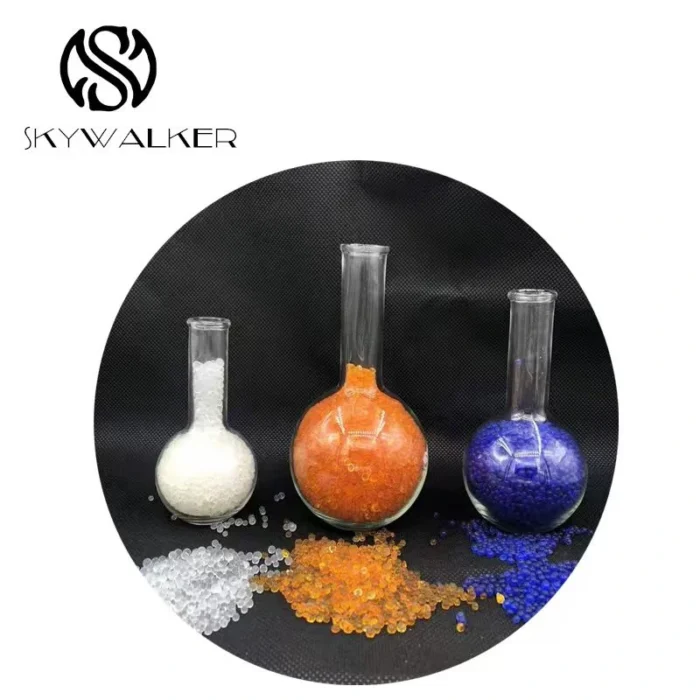
Decoding refined decolorizing soil requires a detailed scrutiny of its features. This exceptional element is frequently engaged in the distillation of lubricants, competently separating impurities. The treatment system typically involves electrical treatment, improving its absorption power to engage colored compounds. Finally, this overview will discuss the basics activated bleaching earth behind refined bleaching soil and its uses.
Whitening Material Manufacturers: Securing the Fitting Collaborator
Securing a reliable vendor of purifying material is mandatory for many segments, particularly those involved in chemical purification. Picking the suitable vendor requires rigorous consideration beyond just charge. Review their background in refining agent distribution, their inspection procedures, and their potential to consistently handle your order needs. A established bleaching earth entity will also offer technical support and a range of grades to match your specific application.
The Basis Behind Improved Detoxifying Mineral
Enhanced bleaching mineral, a cornerstone at the refining procedure for edible oils, functions through a fascinating combination of mechanical and chemical interactions. Initially, naturally occurring attapulgite is activated – a technique involving heat and elements – to drastically increase its surface expanse. This expanded surface offers an immense number of locations for the selective adsorption of color pigments, foreign matter, and adverse odor compounds. The mechanism is primarily surface attraction, where molecules are held by weak van der Waals links, though some molecular adsorption can also occur with certain constituents. This results due to a significant diminution of color and betterment of the oil's display and bouquet.
Refining Clay: Earth - Parameters and Utilizations
Whitening soil, frequently labeled white clay, reveals unique qualities that render it greatly effective across various extent of branches. Its chief attribute is its notable lightness, emanating from its minimal trace element amount. This element enables it advantageous for employments requiring a clear look. Other than its hue, lightening mineral is frequently fine and shows good flexibility, allowing it to be effortlessly shaped. Frequent uses comprise cardboard production, polymer reinforcement, therapeutic blends, beauty materials, and as an dehydrating material in numerous industrial methods. In addition, it finds use in porcelain and finish industries.
Finding the Most Suitable Treated Whitening Compound for Selected Needs
Picking the fitting bleaching clay can be a complicated task, as separate applications demand specific properties. Assess the classification of fat you’re handling; some minerals are enhanced for flora-based oils, while different kinds are tailored towards faunal fats. Variables like void volume and bleaching power highly influence functionality.
- Gauge the pigmentation and bouquet volume of the component to recognize the stipulated bleaching degree.
- Examine the granularity; more finely divided particles generally deliver higher surface area, but may create separation challenges.
- Recognize the liquid amount as it influences the soil’s refining strength.
Bleaching Earth: Formation Systems and Management
The production of bleaching earth, a widely utilized compound for oil refining and chemical purification, involves several key phases. Initially, chlorite is collected and then subjected to alteration via heat process and/or chemical reaction. This method enhances the absorbing properties of the aggregate. Next, rigorous grade checks are implemented, consisting in quantifications of aggregate size distribution, fatty substance adsorption efficacy, and humidity percentage. State-of-the-art analytical processes, such as surface area analysis and recognized assessment, are utilized to validate a stable product that matches stringent standards.
Sustainable Sourcing of Improved Bleaching Material
The escalating demand for activated bleaching earth presents a vital challenge regarding its development and environmental influence. Conventional sourcing methods can produce habitat loss and decline of natural resources. Consequently, a transition towards sustainable sourcing is vital. This involves adopting practices like reforestation of mined areas, repurposing waste materials from other industries for fabrication, and supporting community-based communities to ensure ethical and trustworthy mining conduct. Furthermore, endorsement schemes and meticulous review processes are imperative to substantiate that the aggregate is obtained in a truly renewable manner. Concerns should also include lowering heat consumption during processing and fluid usage.
- Tree planting efforts
- Leveraging waste materials
- Engaging local communities
- Authorization schemes
Refining Compound Source List: Best Suppliers Ranked
Searching for a stable substance distributor can be a hurdle, but our comprehensive guide aims to help the process. We’ve exhaustively gathered data and classified leading enterprises in the bleaching earth business. This guide highlights prominent producers known for their excellence and guidance, allowing end-users to spot the optimal source for their unique needs. Various factors, including processing volume, catalog, and customer reviews, were evaluated in determining these foremost listings.
Apprehending Activated Bleaching Earth Performance Metrics
To competently appraise the performance of activated bleaching earth, it’s imperative to understand key operational metrics. These measurements often include color value, typically measured using a device, which indicates the earth’s ability to reduce color from oils. Moreover, acid level is vital, as it impacts the bleaching process; a higher degree usually corresponds with improved purification capabilities. Finally, binding area, often calculated via BET analysis, strongly impacts the earth’s capacity to hold colorants, ultimately affecting its overall clarifying function.